
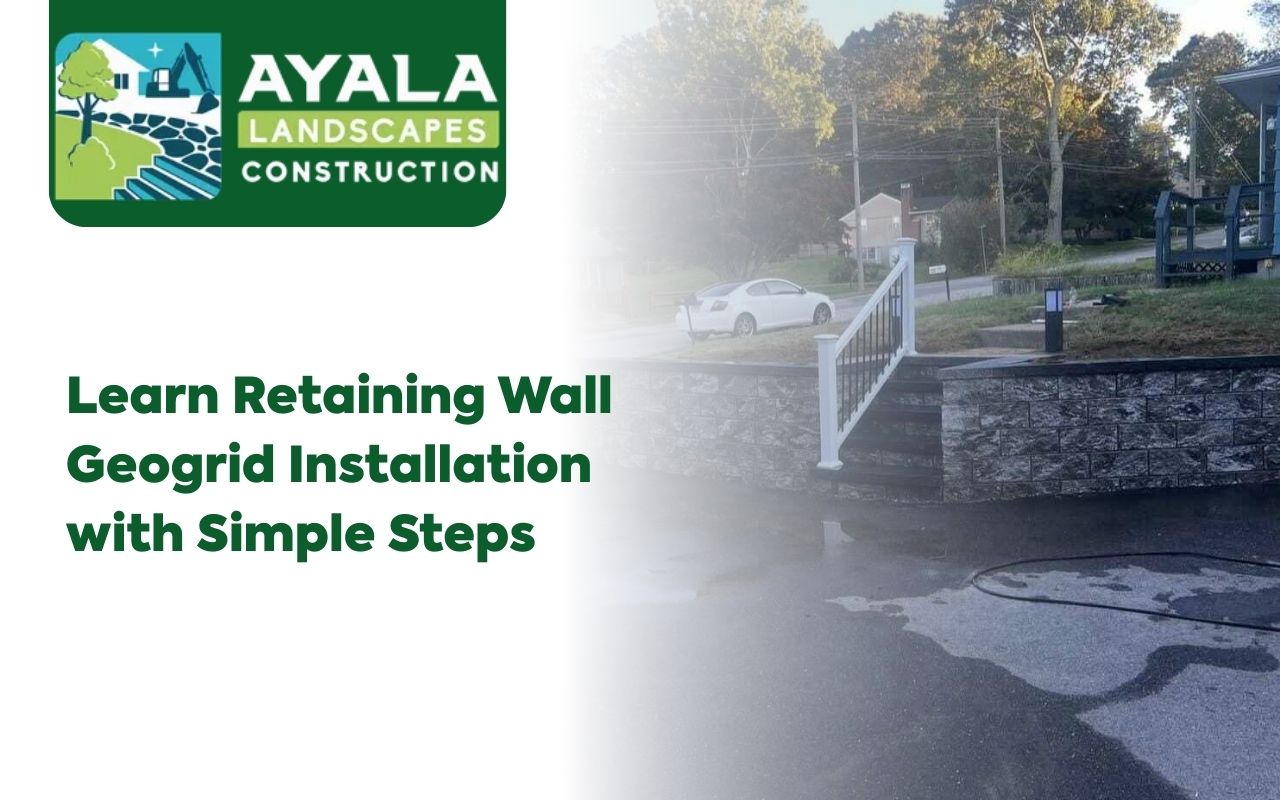
Building a garden or backyard that stands out often needs more than plants and paths. Instead, it may call for structure and strength under the soil. A retaining wall can hold soil in place and also add a clean, polished look.
However, the real secret is Retaining Wall Geogrid Installation. If grids, Compaction, Embed length, and Lifts feel confusing, you are not alone. So, follow these simple steps to build a wall that stays strong for years. :contentReference[oaicite:0]{index=0}
Selecting the Right Geogrid for Your Retaining Wall Project
Pick the right geogrid by matching strength and bend to your soil. Since geogrids come in different weights and openings, think about the load your wall will carry. Lighter options fit small garden walls, while heavy options fit taller walls.
During Retaining Wall Geogrid Installation, read the product sheet for pull strength and check local rules. Also, compare woven and non-woven types. Woven grids are stronger for straight walls. Non-woven grids bend better for small curves.
- Match grid strength to wall height and soil type.
- Use UV-safe grid if sun exposure is possible.
- Confirm the grid meets local building rules.
Why Proper Compaction Matters
Compaction keeps your wall stable because it reduces air pockets. Without it, soil can settle unevenly. As a result, the wall may bulge or fail over time. During Retaining Wall Geogrid Installation, pack soil in thin layers for even density.
Use a plate compactor or a hand tamper. Aim for about 90% density for most backyard walls. Work in Lifts of 6 to 8 inches. Then, pack each lift before adding more soil. This helps the grid grip the soil.
- Place soil in 6–8 inch Lifts.
- Compact each lift before the next layer.
- Keep moisture balanced for better packing.
Preparing the Site for Geogrid Installation
Clear plants, roots, and loose debris first. Next, level the base for a flat work area. Since water pressure can damage walls, plan drainage early. Add gravel behind and below the first row to guide water away.
Dig a trench for the base so it fits the first block and 4 to 6 inches of gravel. Also, slope the grade away from the wall. Before Retaining Wall Geogrid Installation begins, lay landscape fabric to keep soil from mixing with gravel.
- Remove vegetation and loose soil.
- Dig a trench with a gravel base.
- Add fabric so gravel stays clean.
Determining the Optimal Embed Length for Stability
Embed length is how far the geogrid extends into the soil behind the wall. This added length anchors the grid, so the wall resists sliding and tipping. For many walls up to 4 feet, an Embed length near half the wall height often works.
Still, check maker guides and local rules for the best number. Sandy soils may need longer grid for better grip. Clay soils may hold a bit better, so the needed length can change. Retaining Wall Geogrid Installation works best when this part is correct.
Step-by-Step: Installing the First Course of Geogrid
Start after the first row of blocks is level and steady. Then unroll the grid across the base. Make sure it sits flat against the blocks. Avoid folds because they weaken support.
Anchor the grid to the front lip using stakes or fasteners made for geogrid. Pull it snug, yet do not overstretch it. Next, place the following block row over the front edge. This locks the grid in place for Retaining Wall Geogrid Installation.
Ensuring Proper Alignment and Overlap of Geogrid Layers
Keep each layer straight using a string line or a laser level. If grids shift, the wall loses strength. Each layer should line up with the block row above it. This creates a steady pattern behind the wall.
Overlap grid sections by at least 12 inches, unless the maker says otherwise. Then pin overlaps so they stay in place while you backfill. This step helps Retaining Wall Geogrid Installation resist movement over time.
Backfilling and Compacting in Lifts for Best Results
Add soil behind the grid in small layers, then pack each layer. Since thin layers compact better, keep each lift at 6 to 8 inches. Spread soil evenly, compact it, and check for settling before adding more.
If soil is too dry, lightly mist it. If it is too wet, let it dry a bit. Repeat lift by lift until you reach the top of that grid layer. Retaining Wall Geogrid Installation becomes more reliable when each lift is packed well.
Troubleshooting Common Geogrid Installation Issues
Fix wrinkles early because they can form weak channels for soil. If you see a fold, remove the top blocks, flatten the grid, and reinstall the blocks. Also, correct low compaction by pulling backfill out and repacking each lift.
For drainage issues, check gravel zones and pipes for clogs. If the grid tears, replace the damaged section. Then overlap the new piece by at least 12 inches and pin it. This protects Retaining Wall Geogrid Installation from small mistakes.
For more durability details, review retaining wall construction quality methods for durability.
Frequently Asked Questions
How many geogrid layers do most backyard walls need?
It depends on wall height and soil. Many small walls use a layer every few block rows.
What is a safe Embed length for short walls?
Many projects use about half the wall height. However, always follow maker guidance and local rules.
Why are Lifts important during backfill?
Lifts help you compact evenly. As a result, the soil supports the grid and reduces settling.
What Compaction level should I aim for?
Many backyard walls aim near 90% density. Still, soil type and local rules can change the target.
How do I prevent water pressure behind the wall?
Use gravel zones and proper drainage. You can also add a drain pipe when needed.
Finishing Touches: Securing the Top Course and Wall Cap
Snap a chalk line to guide the top row. Then dry-fit caps so spacing looks even. After that, apply landscape adhesive and press caps down firmly. Wipe extra adhesive right away for a clean finish.
Add a thin layer of pea gravel behind the caps. This improves drainage and helps prevent erosion near the top. For drainage help, see retaining wall drainage tips and drainage behind retaining wall.
Enjoying a Strong and Long-Lasting Retaining Wall
When you plan well, your wall can last for years. Use the right grid, set the correct Embed length, and compact in steady Lifts. Then, keep drainage working so soil stays stable. Retaining Wall Geogrid Installation pays off when you follow each step with care.
To protect the area after heavy rain, learn how to prevent wall erosion. If you want help from Ayala Landscapes Construction LLC, reach out through the contact page.