
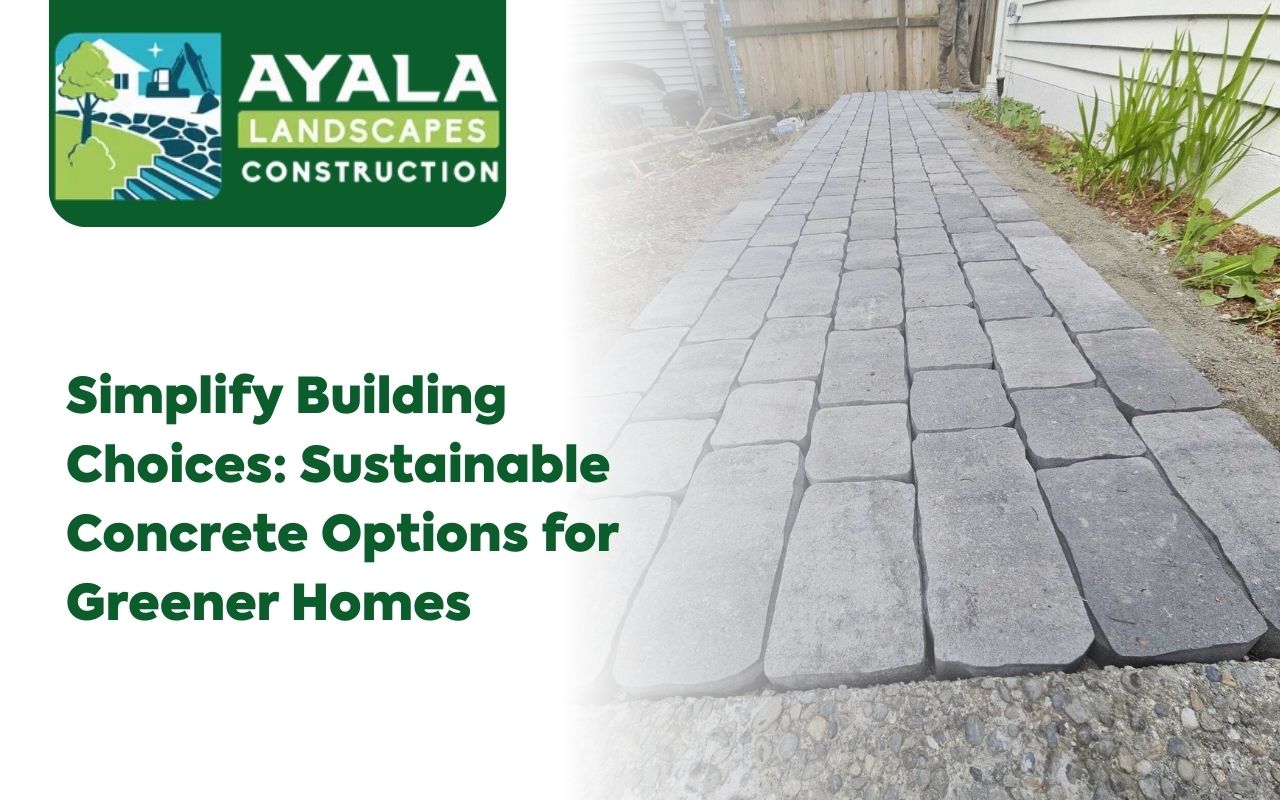
Sustainable Concrete Options can help you build with less waste and less impact. Moreover, each material choice can shape both your home and the planet. As builders shift toward greener mixes, you can reduce emissions while keeping strength and style. Therefore, this guide explains practical paths for greener concrete in Spanaway homes.
Because options can feel overwhelming, this post breaks them down clearly. You will learn how eco-minded mixes support durability and design. Additionally, you will see how smarter picks can protect future generations. If you are building new or updating outdoors, Sustainable Concrete Options can support a cleaner, better-looking result.
Why Sustainable Concrete Matters for Everyday Builds
Concrete shows up everywhere, from patios to walkways. However, traditional mixes rely on cement, which creates high emissions during production. Sustainable Concrete Options reduce that footprint by replacing part of the cement with lower-impact materials. For example, some mixes use byproducts like fly ash or slag. Others use natural mineral blends.
Over time, greener mixes can also lower upkeep needs. Because some blends resist cracking and wear, you may spend less on repairs. Additionally, they can reduce demand for new raw materials. If you want a Spanaway-focused approach, explore sustainable hardscaping solutions in Spanaway for ideas that fit local projects.
- Lower cement use can cut overall emissions.
- Reused materials can reduce landfill waste.
- Better durability can mean fewer repairs.
- Design flexibility can still support curb appeal.
Eco-friendly concrete pavers for outdoor style
Eco-friendly concrete pavers are a popular choice for patios, paths, and driveways. Because they come in many colors and textures, they can match almost any home look. In many cases, they use reused glass, crushed brick, or reclaimed stone. As a result, fewer materials end up in landfills.
Additionally, their interlocking setup helps them handle seasonal movement. So, they often perform well during freeze-thaw cycles. If you want layout inspiration, review concrete paver patio design in Spanaway. You can also see local options at pavers in Spanaway WA.
- Use pavers for patios, walkways, and borders.
- Choose lighter colors to reduce heat buildup.
- Add permeable joints to support drainage.
- Replace single pavers instead of redoing a whole slab.
Low carbon concrete for patios without losing design freedom
Low carbon concrete for patios reduces emissions by swapping part of the cement with added binders. Often, mixes replace up to half the cement with fly ash or slag. Even so, the surface can still feel and look like standard concrete. Sustainable Concrete Options like these can support strength, clean finishes, and long service life.
Moreover, patio surfaces can still be decorative. For instance, you can add patterns and textures for a custom look. If you want inspiration, explore stamped concrete designs for ideas that pair style with function.
- Ask for mixes that use added binders to cut cement.
- Plan control joints to limit random cracking.
- Use proper base prep to support long-term stability.
- Pick finishes that match foot traffic and outdoor use.
Smarter foundation mixes for a greener starting point
A home’s base can also be more eco-minded. Some foundations use reused stone blends, lower-heat cement, or fiber additions. Therefore, builders can reduce emissions while improving strength and performance. In some cases, lighter mixes can also improve handling during placement.
Meanwhile, new curing methods can reduce water use. Some teams also use waste heat from nearby plants. Although these ideas vary by supplier, they show how the industry keeps improving. Sustainable Concrete Options for foundations can support long-lasting builds with a smaller footprint.
Recycled aggregates and what they change
Recycled aggregate concrete replaces fresh gravel and sand with crushed concrete from older projects. As a result, less material goes to landfills. Also, fewer new materials must be mined. When reused stone comes from nearby sources, transport emissions can drop too.
In many residential uses, this mix can match typical performance. It works well for driveways, sidewalks, and similar areas. Additionally, it supports a reuse cycle that keeps materials in circulation. For homeowners who want greener outdoor upgrades, Sustainable Concrete Options like recycled blends can be a practical fit.
How fly ash supports greener mixes
Fly ash is a byproduct from power plants that can replace part of cement. Because it can improve workability, it may reduce water demand during mixing. Over time, it can also support long-term strength in many applications. As a bonus, it can help create smoother finishing for decorative work.
However, local availability may vary. So, it helps to ask your contractor what mix designs are common in your area. When used well, fly ash blends are another way Sustainable Concrete Options can cut cement use without sacrificing performance.
Traditional concrete vs. greener mixes
Traditional concrete uses more cement and freshly mined aggregates. In contrast, greener blends use reused materials and added binders. Therefore, they can lower emissions and reduce waste. Even so, both types can offer fire resistance and strong performance for many home needs.
While some green mixes can cost slightly more up front, long-term value can improve. For instance, better resistance to cracking can reduce repair work. Additionally, eco-focused upgrades can appeal to today’s buyers. Sustainable Concrete Options can support both comfort and resale appeal.
Frequently Asked Questions
Are greener concrete mixes as strong as standard mixes?
Often, yes. However, strength depends on the mix design and proper installation. Therefore, a contractor should match the blend to the project need.
Do eco-focused mixes look different?
Not always. In fact, many finishes look the same as standard concrete. Also, decorative options like patterns remain available.
How do I choose the right pavers for my yard?
Start with drainage and use needs. Then, match color and texture to your home. Finally, review local examples to guide your choice.
Will low-carbon patio mixes crack more easily?
Not necessarily. Because placement and joints matter most, good prep can help. Also, proper curing can reduce surface issues.
What is the simplest way to keep concrete looking good?
Sweep and wash gently. Moreover, use a sealer when recommended. For a simple checklist, see concrete maintenance tips.
Easy care tips for greener concrete surfaces
Green concrete does not need harsh cleaners. Instead, sweep often and rinse with mild soap. Also, avoid strong acids that can harm the finish. If you spot small cracks, repair them early to limit water entry. As a result, you can reduce freeze-thaw damage.
Additionally, reseal every few years when needed. That step helps protect color and surface texture. If you want project-specific guidance, contact Ayala Landscapes Construction LLC through the contact page. Sustainable Concrete Options stay attractive longer when care stays simple and consistent.
Moving toward greener outdoor living in Spanaway
Choosing Sustainable Concrete Options helps reduce impact while keeping strength and style. From pavers to patios and reused stone blends, these choices can improve both the planet and your property. Moreover, thoughtful design and routine care can extend the life of every surface.
As demand grows in Spanaway, more contractors and suppliers support greener mixes. Therefore, each project can be a step toward cleaner building habits. When you plan your next upgrade, Sustainable Concrete Options can help you build with purpose and confidence.