
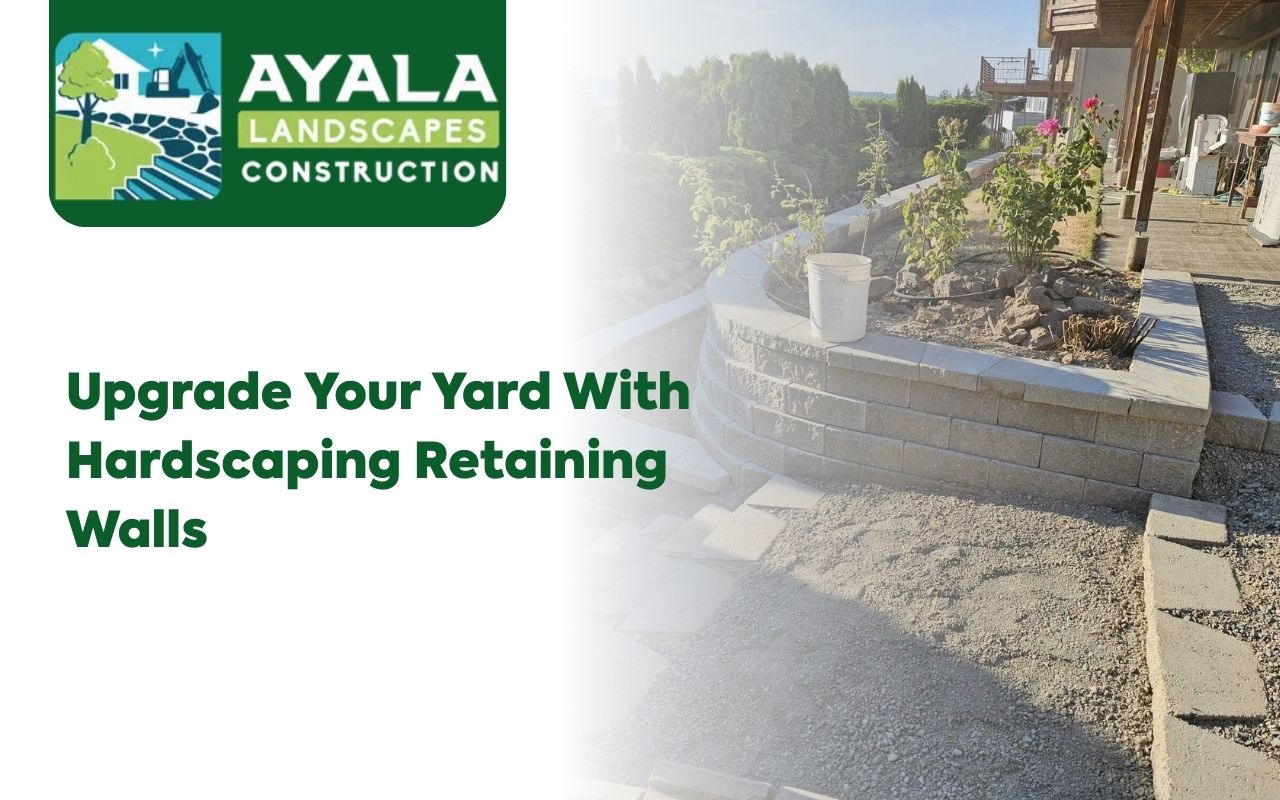
Hardscaping Retaining Walls can reshape an uneven yard with both style and support. They hold back soil, yet they also add structure, seating, and visual appeal. Picture a tiered garden, a cleaner patio edge, or stonework that frames your space. As a result, your outdoor area can feel more usable and welcoming.
Because they blend function with design, Hardscaping Retaining Walls can boost daily comfort and long-term value. From rustic stone to modern lines, the right look can match your home and help you enjoy nature more often.
Benefits That Make Slopes Easier to Use
Hardscaping Retaining Walls help control erosion and guide water away from planting beds. In addition, they create flat areas where grass, plants, and outdoor features can thrive. This support matters on sloped ground, since stable soil helps protect your landscape over time.
Also, retaining walls for outdoor living spaces can shape how you use your yard. They can form terraces for dining, lounging, or play. Plus, a well-placed wall can double as a seating ledge, which makes gatherings feel simpler and more natural.
- Reduce soil erosion on sloped areas
- Improve runoff control with smarter grading
- Create level zones for gardens and patios
- Add built-in seating without extra furniture
Style Ideas: Rustic, Modern, and Mixed Looks
When you explore design ideas for hardscaping retaining walls, you can match the wall to your home’s character. A rustic wall may use fieldstone or reclaimed brick for a natural, timeless feel. Meanwhile, modern options often use clean lines and smooth blocks that fit a simple, updated layout.
However, mixed materials can stand out even more. For example, warm timber paired with steel edging can create contrast without feeling busy. Likewise, small shifts in color can add depth while keeping the design calm and cohesive.
- Fieldstone or reclaimed brick for a classic look
- Cut stone or smooth blocks for modern lines
- Mixed textures for contrast and depth
- Stepped wall heights to guide the eye
Choosing Materials That Fit Your Yard
Material choice affects strength, appearance, and long-term care. Natural stone is durable and unique, although it can take longer to install. Concrete blocks are flexible and can work for curves or straight runs. Many systems also lock together, so the build can feel more consistent and stable.
Wood can look warm and natural, yet it needs proper sealing and protection. Brick and pavers offer a classic style and can match nearby patios. If you want related options for walkways and surfaces, explore pavers in Spanaway WA to see styles that pair well with retaining walls.
- Natural stone for long-lasting character
- Concrete blocks for flexible shapes and finishes
- Wood for warmth with added sealing needs
- Brick and pavers for a timeless pattern look
Planning the Layout for Function and Flow
Start by reviewing your slope, soil type, and water flow. Then, map where runoff collects, since that will guide wall placement. Sun exposure matters too, because it can affect plant choices and comfort in seating zones. Next, sketch wall heights, lengths, and how each area connects to patios or pathways.
Smaller walls may stand alone, yet taller walls often need added support. To plan a cohesive setup, you can review retaining wall ideas in Spanaway and compare what fits your space and goals.
Build Basics That Help Walls Stay Stable
A strong base is essential. First, dig a level trench and add compacted gravel to support the wall and improve drainage. This helps reduce shifting over time. For taller walls, reinforcement such as geogrid can add strength behind the wall, which spreads loads more evenly.
Backfill also plays a big role. Free-draining stone reduces pressure because water does not get trapped behind the wall. If you want a deeper look at long-lasting build steps, read quality methods for retaining wall durability before you finalize your plan.
Drainage Choices That Protect the Wall
Drainage prevents water pressure from building behind the wall. A perforated drain pipe at the base, wrapped in fabric, helps move water toward an outlet. Then, a gravel layer behind the wall guides water down to the pipe. As a result, the wall can handle heavy rain more safely.
Filter fabric also helps because it keeps fine soil from clogging the gravel zone. With clear drainage paths, Hardscaping Retaining Walls can last longer and look better through changing seasons.
Outdoor Living Upgrades With Retaining Walls
Retaining walls for outdoor living spaces can turn empty corners into useful areas. Low walls can frame a patio edge or fire pit zone and work as seating. Higher walls can support raised beds or tiered gardens that add texture and color.
If you want a full yard plan that blends surfaces and greenery, explore hardscaping and sod solutions to create a layout that feels complete. When you combine lighting, plants, and seating, the space can feel inviting day and night.
Maintenance Tips for a Clean, Long-Lasting Look
Regular checks help you catch small issues early. Look for bulging, leaning, or gaps, since these can signal settling or drainage trouble. Remove weeds between joints because roots can push materials out of place. A light scrub can also reduce moss and keep surfaces looking fresh.
Also, keep weep holes and drain outlets clear. For wood walls, reseal as needed to limit moisture damage. With simple upkeep, your wall stays safer and your yard stays polished.
Frequently Asked Questions
How tall can a retaining wall be without extra support?
Smaller walls are often simpler to build. However, taller walls may need reinforcement and careful drainage, so planning matters.
Which material is easiest to maintain long term?
Concrete blocks and stone often need less routine care. Still, good drainage and inspections help any material last longer.
Do retaining walls help with yard drainage?
Yes, especially when a drain pipe and gravel backfill are used. As a result, water pressure is reduced behind the wall.
Can retaining walls create seating for a patio?
Yes. Low walls can act as seating ledges, which works well for patios, fire pits, and gathering areas.
When should I hire a retaining wall contractor Spanaway?
If the wall is tall, near a structure, or on tricky soil, support from a retaining wall contractor Spanaway can improve safety and code compliance.
Bring Your Backyard Together With a Smart Wall Plan
Hardscaping Retaining Walls can stabilize slopes while adding style and comfort. With the right materials, solid base work, and reliable drainage, the wall can stay strong for years. If you are comparing options, start with the services on retaining wall services to see solutions that fit outdoor living goals.