
Transform your home into a winter-ready haven with a Pavers Spanaway WA. In particular, heated driveway installation in Spanaway ensures safer mornings during icy weather. As a result, you can say goodbye to back-breaking shoveling and welcome consistent warmth at your doorstep. Moreover, modern systems are efficient and quiet, making them a practical addition for any homeowner. Ultimately, this upgrade boosts comfort, safety, and home value.
The Advantages of Heated Driveways
Choosing heated driveway installation in Spanaway brings convenience and security. Specifically, snow and ice melt automatically as sensors detect conditions. Consequently, you get steady traction for children, pets, and visitors. In addition, technology improvements make systems energy-efficient and quiet, engaging only when necessary. Taken together, these benefits include long-term savings by preventing freeze-thaw damage and enhancing your property’s market appeal.
- First, it eliminates the need for shoveling snow.
- Furthermore, it reduces the risk of slips and falls.
- Additionally, it extends driveway lifespan by preventing cracks.
- Finally, it enhances overall property value.
Understanding How Heated Driveway Systems Work
Heated driveway systems use embedded heating elements paired with sensors. When snow or ice appears, the system activates automatically. Next, heat rises through the surface and melts accumulation efficiently. Most systems also include a thermostat or smart controller to optimize energy use. Therefore, understanding operation helps homeowners make informed decisions and discuss options confidently with contractors.
Types of Heating Elements for Driveways
Homeowners can choose between electric cables and hydronic tubing. For example, electric systems use mats embedded in concrete for precise temperature control. By contrast, hydronic systems circulate warm water through flexible tubes beneath asphalt or concrete. Either way, both options deliver consistent performance and safety, allowing you to decide based on budget and installation preferences.
- Electric mats: simple installation, precise control, ideal for retrofit projects.
- Hydronic tubes: energy-efficient, serves multiple areas, requires boiler space.
Planning and Preparing for Heated Driveway Installation
Effective planning considers driveway size, layout, and local climate. In many cases, permits and schedules are essential. Work with your contractor to ensure proper site access, drainage, and landscaping protection. Likewise, map electrical or boiler placement to reduce delays. Whenever possible, choose a dry season to maintain progress. With careful preparation, installation runs smoothly and includes fewer surprises.
Choosing the Right Contractor for Your Heated Driveway Project
Select experienced contractors familiar with Spanaway winters. To be thorough, check reviews, references, and past projects. Also confirm licenses, permits, and warranties. Ensure the team can provide energy estimates and cleanup. In the end, a skilled contractor guarantees long-lasting and reliable performance. For inquiries, visit the Contact Page.
Steps Involved in Installing a Heated Driveway
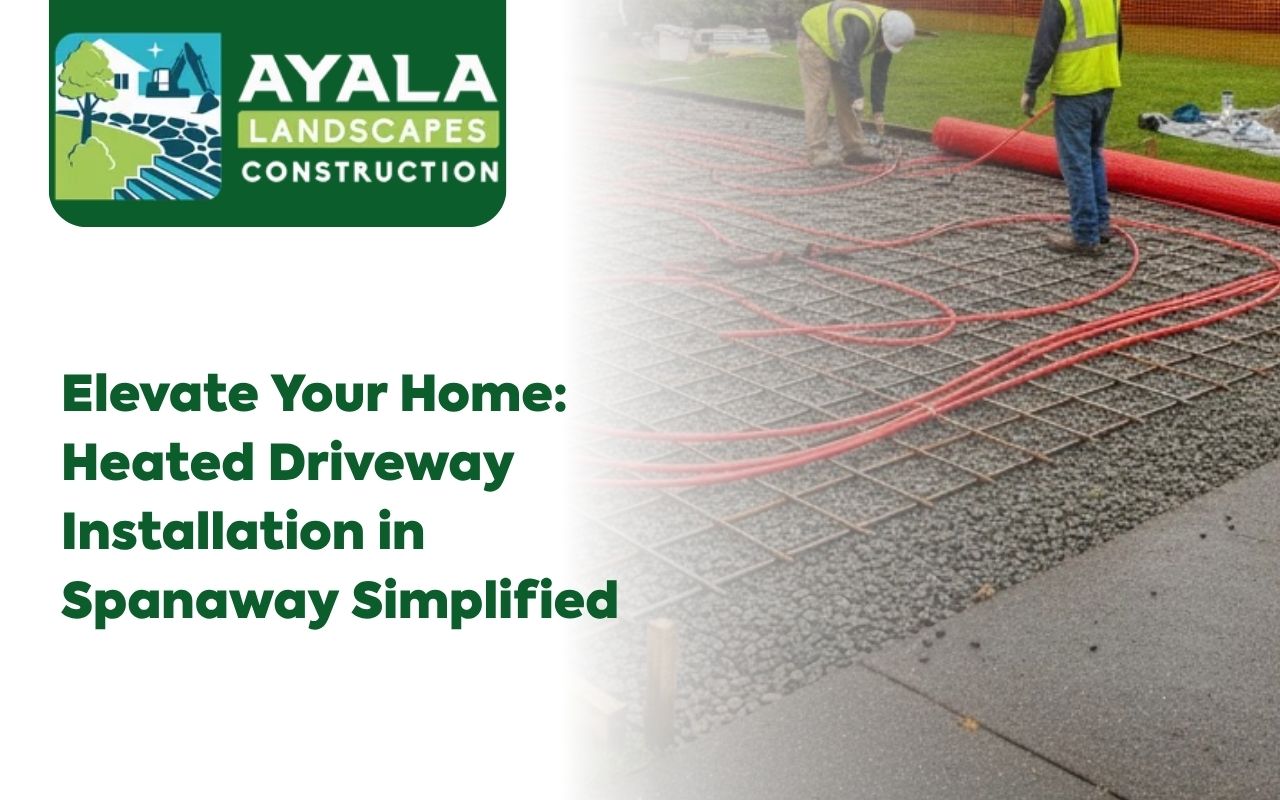
Installation follows coordinated steps for optimal performance. First, crews remove old layers, level the base, and lay reinforcement. Then, heating elements are secured and covered by new concrete or asphalt. Afterward, sensors and control units are connected, tested, and calibrated. Finally, a walkthrough shows homeowners how to operate and maintain the system effectively.
- Remove existing driveway surface.
- Level ground and add reinforcement.
- Install heating cables or hydronic tubing.
- Pour new surface and connect control systems.
- Test and adjust heating for even coverage.
Maintenance Tips for Your Heated Driveway System
Regular inspections of sensors, wiring, and surface debris ensure reliable operation. In addition, clean control units and monitor for cold spots. Use plastic shovels or snow blowers to protect the surface. For hydronic systems, schedule pre-winter boiler checks. With these steps, you prolong system life and prevent costly repairs.
Energy Efficiency Considerations for Heated Driveways
Smart sensors activate the system only during snow events, saving energy. Likewise, electric and hydronic systems benefit from timers, insulation, and smart controllers. Proper insulation beneath heating elements ensures heat reaches the surface efficiently. When possible, off-peak scheduling further reduces energy costs. Consequently, these strategies maintain a safe driveway without excessive energy use.
FAQs about Heated Driveway Installation in Spanaway
How long does a heated driveway installation take?
Typically, projects last several days depending on size and system type. However, planning and weather can affect the timeline.
Can I install a heated driveway on an existing surface?
Yes. In fact, electric mats allow retrofitting existing concrete or asphalt with minimal disruption.
Are hydronic systems more cost-effective than electric systems?
Often, hydronic systems have higher upfront costs but lower long-term energy expenses in heavy-snow regions.
Do heated driveways require frequent maintenance?
Generally, routine checks of sensors, control units, and surface debris keep systems running efficiently with minimal effort.
Will a heated driveway increase my home’s property value?
Yes; moreover, it adds safety, convenience, and market appeal, which makes properties more attractive to buyers in winter climates.
Elevate Your Home with a Heated Driveway
Investing in heated driveway installation in Spanaway ensures safety and comfort. In addition, it eliminates snow-removal hassles and helps prevent slips for family and guests. With proper planning and a skilled contractor, installation proceeds smoothly. To round out the project, explore additional paving options at Paver Services. Ultimately, your winter-ready home will deliver style, safety, and modern technology.